
 01
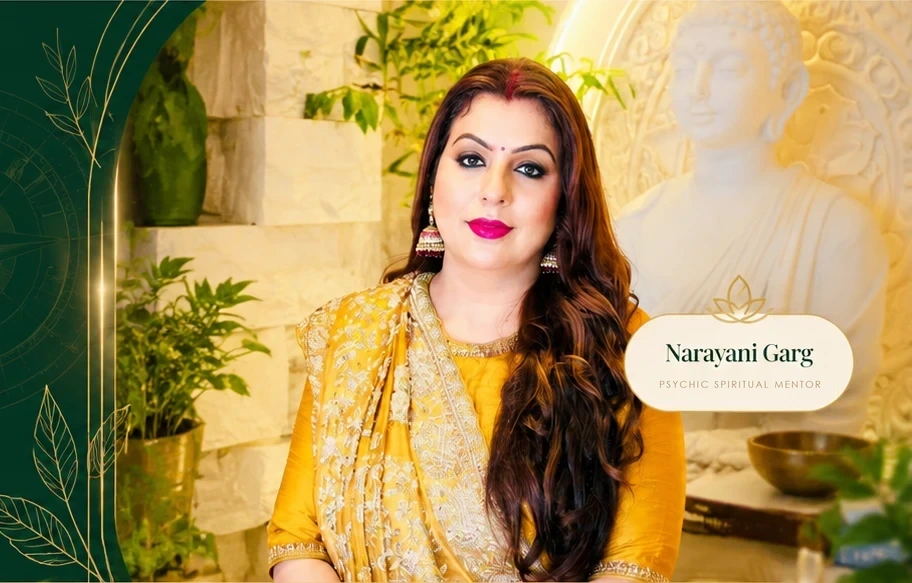
Her practice
Vastulogy
Your home, workplace or next property, considered alongside how you live and what you need.
Format, duration and fees to be confirmed with the team.
- DirectionsHow the space is placed
- ElementsBalance in the space
- LayoutRooms, doors and flow
- Daily useHow you live in it
Spaces she reads
Find the right consultation
Ask the team which one fits your question.
01 02
Commercial Vastulogy
Offices, shops, factories, clinics and other working spaces.
 03
Property Selection Vastulogy
A separate conversation before choosing a property or plot.
 04
 05
Office Desk Vastulogy
Desk-focused guidance for job professionals. Discuss the scope before booking.
The five elements
BalancedLiving
- EarthStability & Support
- SpaceClarity & Expansion
- AirMovement & Growth
- FireEnergy & Motivation
- WaterFlow & Emotions
A way to discuss balance, not a biological model or proof of a health effect.
Before you enquire
- A floor plan with north marked, or a simple sketch with room sizes if you have no plan
- The address or city, and a few photographs of each room, the entrance and the road outside
- The people who use the space, and the one thing you would most like to be different
Begin with the team
Your enquiry does not book or pay for a session. Confirm the scope, format, duration and fee before deciding.
Enquire on WhatsAppFrequently asked
Frequently asked questions
Find answers to common questions about consultations, programs and how we work.
Still have a question?
Something else on your mind?
If you have any other questions, feel free to ask. We’re here to help.
Ask your question
Get a response from Narayani’s team
01What is Vastulogy?
Vastulogy is a tradition about where things belong in a building, and why: the door, the kitchen, the prayer corner, the beds and the water. Its answers come from old Sanskrit texts and from the guides written after them, and families follow it for cultural and devotional reasons as well as practical ones. Narayani offers it as a tradition and states its limits.
02Is Vastulogy scientific?
Not in the laboratory sense. A search of the published research found no independent, controlled study showing that any direction affects health, money, sleep or relationships, and the evidence section above lists the few small studies that exist. What research does support is plainer: good daylight, fresh air and comfort make a space easier to live in. Narayani works with the tradition and with those practical points, and keeps the two apart.
03Is Vastulogy the same for everyone, or does it depend on the people living there?
The texts speak in general terms, but a household is particular. Two families in identical flats may use the same room differently: one cooks for ten, the other orders in. Narayani reads the space against the people in it, so the same rule can carry different weight in different homes. Where guides disagree with each other, she says so and explains what she would weigh.
04How is Vastulogy different from feng shui?
Both link directions and elements to buildings, but they come from different traditions. Vastulogy is Indian and works with eight directions, a centre and five elements: earth, water, fire, air and space. Feng shui is Chinese. It works with *qi*, a word for breath or vital force, a map called the bagua, several compass schools and a different set of five elements: wood, fire, earth, metal and water. No independent, controlled research is known to back the directional claims of either.
05Do I have to demolish or rebuild anything?
A reading does not oblige you to demolish anything. Furniture, storage and lighting can be considered without changing the structure. Practitioners disagree about whether such adjustments satisfy their traditional rules, but disagreement is no reason to frighten you into building work. Engineering requirements, permissions and affordability decide what is feasible. The corrections without demolition page separates these choices.